What Is a Digital Asset? Complete Guide for Crypto Investors
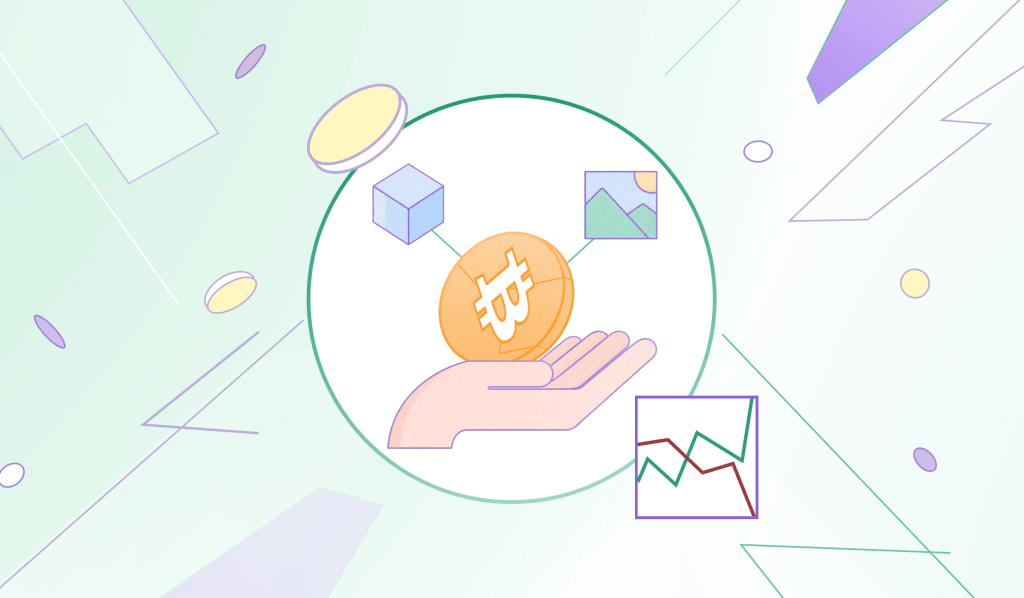
What Is a Digital Asset?
A digital asset is any asset created, stored, transferred, or managed in digital form that has identifiable value. In traditional terms, this can include documents, media files, software, intellectual property, or digital records. However, in the crypto market, the definition has expanded significantly. Today, a digital asset can represent money, ownership, access rights, governance power, financial exposure, or tokenized claims on real-world assets.
In 2026, investors no longer view digital assets only as “items on a screen”. Instead, they see them as a form of programmable value supported by blockchain infrastructure, cryptographic ownership, and automated execution. For investors and founders, this shift matters because value can now move through transparent networks, settle on-chain, and interact with applications through smart contract logic. Therefore, we at P2B see this transformation as one of the key reasons why crypto markets continue to develop beyond speculative trading and move toward broader digital finance infrastructure.
The 2026 Digital Asset Framework
The modern digital asset market is not limited to Bitcoin or Ethereum. It includes multiple asset categories with different risk profiles, use cases, liquidity structures, and compliance requirements. As a result, a clear framework helps traders and project founders understand where each asset fits within the broader crypto economy.
Cryptocurrencies
Cryptocurrencies are blockchain-native assets designed to work as digital money, network fuel, or decentralized stores of value. Bitcoin remains the most recognized example. Meanwhile, Ethereum supports a wider infrastructure layer for decentralized applications, token issuance, and smart contract execution.
Investors usually evaluate cryptocurrencies through market capitalization, trading volume, liquidity depth, token supply structure, network adoption, and long-term demand. For founders, the core challenge is not only to launch a token. They also need to build a sustainable market around it through transparent tokenomics, active utility, and reliable exchange access.
Stablecoins
Stablecoins are digital assets designed to maintain a relatively stable value. In most cases, they are pegged to fiat currencies, commodities, or other reserve assets. They play a critical role in crypto market infrastructure because they give traders a settlement asset, a liquidity bridge, and a practical tool for moving value between exchanges, wallets, and decentralized applications.
By 2026, stablecoins are also becoming more relevant for payments, treasury operations, and cross-border settlements. Therefore, they matter not only for retail traders but also for institutions that seek faster and more efficient alternatives to traditional payment rails.
Tokenized Real-World Assets (RWA)
Tokenized real-world assets, or RWAs, are blockchain-based representations of assets that exist outside the blockchain environment. These may include tokenized securities, real estate, commodities, bonds, private credit, or other financial instruments. Many identify tokenized assets as one of the major categories of digital assets, alongside cryptocurrencies and stablecoins.
The strategic value of RWAs comes from on-chain transparency, fractional ownership, faster transferability, and improved market access. For digital asset investors, RWAs may offer exposure to traditional asset classes through blockchain infrastructure. For project founders, tokenization creates new business models, but it also requires strong regulatory compliance, clear asset backing, and reliable custody standards.
NFTs
Non-fungible tokens, or NFTs, represent unique digital ownership. Unlike cryptocurrencies or stablecoins, NFTs are not interchangeable on a one-to-one basis. They can represent digital art, gaming assets, intellectual property, memberships, certificates, identity credentials, or tokenized access rights.
Nowadays, the NFT market is shifting from pure collectibles toward utility-driven models. For example, projects increasingly use NFTs for loyalty systems, gaming economies, access management, digital identity, and brand engagement. As a result, NFTs now form part of the wider digital asset economy rather than a separate speculative category.
Digital Asset Management for Investors
Digital Asset Management refers to the systems, processes, and strategies used to store, track, secure, transfer, and optimize digital assets. In crypto, this goes beyond portfolio tracking. It also includes wallet management, exchange account coordination, custody selection, risk monitoring, liquidity planning, tax reporting, and transaction security.
For a digital asset investor, portfolio management requires a structured approach across several layers.
The first layer is asset allocation: understanding how much exposure belongs to cryptocurrencies, stablecoins, RWAs, NFTs, or high-risk early-stage tokens.
The second layer is market access: choosing exchanges and liquidity venues that provide efficient execution, strong order books, and transparent trading conditions.
The third layer is operational security: ensuring assets are stored, transferred, and managed through reliable custody infrastructure.
Digital asset investors also need to evaluate interoperability. A modern portfolio may include assets across Ethereum, Bitcoin, Solana, BNB Chain, Layer-2 networks, and institutional tokenization platforms. Without a structured management system, investors may face fragmented liquidity, wallet complexity, reporting gaps, and higher operational risk.
From the P2B perspective, this is why exchanges remain critical infrastructure in the digital asset economy. A trading platform is not only a place where users buy and sell tokens. It also works as a market access layer where liquidity, order execution, user trust, and project visibility intersect.
Institutional Systems and Security
As digital assets become more institutionalized, security standards are moving beyond simple private key storage. Investors, funds, exchanges, and project teams increasingly rely on Digital Asset Management Systems that combine custody, wallet infrastructure, transaction monitoring, governance rules, and compliance controls.
One of the most important technologies in this area is Multi-Party Computation, or MPC. MPC splits private key material into separate shares, so the full private key is never assembled in one location. This model removes a single point of compromise and allows organizations to secure digital assets without relying on one vulnerable private key.
Another widely used model is multi-signature security, where multiple private keys are required to authorize a transaction. This helps prevent a single person or compromised system from moving funds independently. We can describe multi-signature wallets as a way for organizations to require several employees or systems to approve transactions before assets can be transferred.
For institutions, the key issue is not only asset storage but operational governance. An Institutional-grade digital asset management system should include transaction approval policies, role-based permissions, withdrawal limits, audit trails, compliance integrations, and risk controls. These features are especially important for exchanges, market makers, funds, and token projects managing treasury assets or user-facing liquidity.
Market Dynamics
Digital assets gain value through technology, utility, liquidity, market access, and investor perception. Unlike traditional assets, many crypto assets trade globally 24/7. This creates constant price discovery, but it also increases volatility.
Market Sentiment has a direct impact on valuation. Positive sentiment can increase demand, trading volume, and liquidity. Negative sentiment can reduce order book depth, widen spreads, and increase sell pressure. For founders, this makes transparent communication and community trust essential.
Liquidity depth is also critical. Strong liquidity supports smoother execution, lower slippage, and healthier trading conditions. Weak liquidity can cause sharp price movements even after moderate buy or sell orders.
In 2026, investors should evaluate both market and infrastructure factors. These include liquidity, volatility, exchange access, token utility, community activity, and Regulatory Compliance. Founders should focus on transparent tokenomics, reliable exchange partnerships, security audits, market-making strategy, and long-term ecosystem growth.
Conclusion
Digital assets have evolved into a major financial and technological asset class. In 2026, they include cryptocurrencies, stablecoins, tokenized real-world assets, NFTs, and other blockchain-based instruments that represent value, ownership, access, and financial utility.
For investors, understanding digital assets requires more than tracking price movements. It includes custody, liquidity, compliance, portfolio structure, and security infrastructure. For founders, launching a digital asset requires credible positioning, transparent tokenomics, reliable exchange access, and a strong trading environment.
We at P2B believe the next stage of the digital asset economy will be shaped by infrastructure quality, regulatory compliance, interoperability, and institutional confidence. As more assets move on-chain, the market will continue to reward projects and investors that treat digital assets as programmable financial instruments within a maturing global digital economy.
 Wow!
Wow! Mmm
Mmm Hmm
Hmm Meh
Meh Pff
Pff