What Is Trading? AI, Insider and Crypto Trading Explained
Introduction: Trading in 2026
Trading in 2026 is no longer only about buying an asset and waiting for the price to rise. It is about understanding market structure, managing liquidity, using automation wisely, and staying compliant in a more regulated financial environment.
Crypto trading has also become part of a wider financial market where retail traders, institutions, project founders, market makers, and exchanges interact through liquidity and price discovery.
For P2B, this shift matters because trading quality depends on infrastructure. A strong market needs active users, clear execution, sufficient liquidity, transparent processes, and reliable support for both traders and listed projects.
In simple terms, trading in 2026 is a structured process built around data, technology, and trust.
What Is Trading?
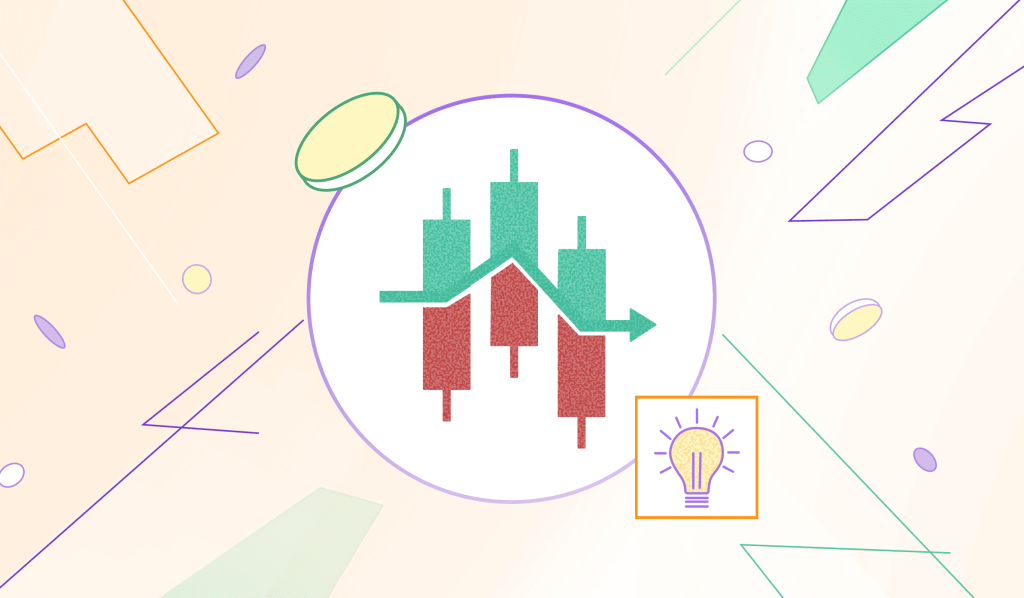
Trading is the process of buying and selling financial assets with the goal of making a profit from price movements. These assets can include stocks, currencies, commodities, crypto tokens, and other digital assets.
A trader buys when they expect the asset to rise and sells when they expect the price to fall or when they want to secure profit. The idea is simple, but real trading depends on timing, liquidity, execution quality, and risk management.
In crypto, trading happens 24/7. This creates more opportunities, but it also increases pressure because prices can move at any hour.
The Anatomy of a Trade
Every trade starts with a market that connects buyers and sellers through an order book. The order book shows buy and sell orders at different price levels.
The highest price buyers are ready to pay is called the bid. The lowest price sellers are ready to accept is called the ask. The difference between them is the spread.
A tight spread usually shows that the market is active and liquid. A wide spread may signal weak liquidity, low activity, or higher volatility.
Liquidity shows how easily an asset can be bought or sold without causing a major price change. Strong liquidity supports smooth execution, while weak liquidity can create slippage, unstable charts, and lower trader confidence.
For project founders, liquidity is not only a technical metric. It shapes how the market sees the token after listing.
How the Trade Lifecycle Works
A trade usually starts with market analysis. Traders review price action, volume, market depth, news, volatility, and sentiment before making a decision.
Then they choose an order type. A market order executes immediately at the best available price, while a limit order executes only at the selected price or better.
After that, the trade is executed through the order book. If liquidity is strong, execution is usually smooth. If liquidity is weak, the final price may be worse than expected.
The final stage is position management, where the trader sets a stop-loss, takes profit, reduces exposure, or exits when the original idea is no longer valid.
What Is AI Trading?
AI trading means using automated systems to analyze markets, identify patterns, place orders, and manage strategies with less manual effort.
In recent years, AI trading has become a major trend because crypto markets operate all day, every day. Human traders cannot monitor every price movement, order book change, and signal without interruption.
AI-powered systems help reduce emotional decisions, improve execution speed, and follow predefined rules more consistently. They do not replace strategy, but they can make strategy easier to execute.
This is why AI trading is now one of the most popular alternatives to mining for retail users. Instead of investing in hardware and electricity, users focus on capital, strategy, risk limits, and access to reliable markets.
Main AI Trading Strategies
Grid Trading
Grid trading uses automated buy and sell orders inside a selected price range. It is often used when the market moves sideways, allowing the bot to buy lower and sell higher several times within the same range.
DCA Trading
DCA, or dollar-cost averaging, means buying an asset in smaller parts over time instead of entering with one large order. A DCA bot automates this process and helps reduce the pressure of choosing one perfect entry price.
Arbitrage Trading
Arbitrage trading looks for price differences between markets. If an asset is cheaper on one market and more expensive on another, the bot may try to profit from that gap.
AI trading can support better discipline, but it does not remove risk. A bot is only as strong as the logic, settings, and risk controls behind it.
What Is Insider Trading?
Insider trading means using important non-public information to make a trading decision before that information becomes available to the public.
Legal insider trading can happen when insiders buy or sell assets under proper reporting and disclosure rules. Illegal insider trading happens when someone uses confidential information for unfair profit.
In crypto, this can include private information about token listings, exchange announcements, partnerships, token unlocks, security incidents, funding news, or regulatory updates.
The main problem is trust. If some participants trade with private information while others do not have access to it, the market becomes unfair and confidence decreases.
Why Insider Trading Matters in Crypto
Crypto markets react quickly to news. A listing announcement, partnership, token unlock, or campaign can move price within minutes.
If confidential details leak before public disclosure, traders with early access can gain an unfair advantage, while regular users enter the market too late. For projects, this can damage reputation. For exchanges, it can create compliance and trust risks.
Transparency is the best defense. Clear announcement rules, internal discipline, fair communication, and strong operational controls help protect market integrity.
At P2B, we believe that a healthy trading environment must be built on equal access to important information.
Why Crypto Trading Is Growing in 2026
Crypto trading is scaling because the market is becoming more mature and more connected to traditional finance.
Regulatory clarity is one of the biggest drivers. In Europe, MiCA has created a clearer framework for crypto-asset services, disclosures, and supervision. In the United States, the market is also moving toward more structured rules instead of relying mainly on enforcement actions.
This matters because capital needs clarity. When rules become more predictable, institutions feel more comfortable entering the market, projects can plan with more confidence, and exchanges can build stronger infrastructure.
For founders, this means a listing is not just a launch event. It is the beginning of public market performance.
P2B View: Trading Needs Strong Infrastructure
Trading success depends on more than price movement. It depends on execution, liquidity, market depth, transparency, and the quality of the platform where the trade happens.
For traders, strong infrastructure means smoother execution and clearer market conditions. For founders, it means better visibility, stronger liquidity support, and a more professional environment for token growth.
P2B supports this market structure by helping projects access trading infrastructure, active users, and listing opportunities designed for long-term visibility.
We see trading as a system where traders need reliable execution, projects need liquidity and exposure, and markets need trust and transparency.
Conclusion
Trading is the process of buying and selling assets, but in 2026 it also includes liquidity, order books, AI automation, risk management, compliance, and fair access to information.
AI trading is changing how users manage strategies and execute orders. Insider trading remains one of the biggest risks to market trust. Crypto trading continues to grow because regulation, infrastructure, and institutional participation are making the market more mature.
If you’d like to explore more crypto-related insights and market perspectives, the BeLiquid blog offers useful articles and industry-focused content.
Trading in 2026 is about precision, strategy, and infrastructure. Whether you are a retail trader or a founder building the next major crypto project, your growth depends on the quality of the market where you trade, list, and scale.
 Wow!
Wow! Mmm
Mmm Hmm
Hmm Meh
Meh Pff
Pff